40 min read

AI-Powered Service for Landscape Architects with Torey Carter-Conneen | [Sidecar Sync Episode 146]

AI-Powered Service for Landscape Architects with Torey Carter-Conneen | [Sidecar Sync Episode 146]

Summary:

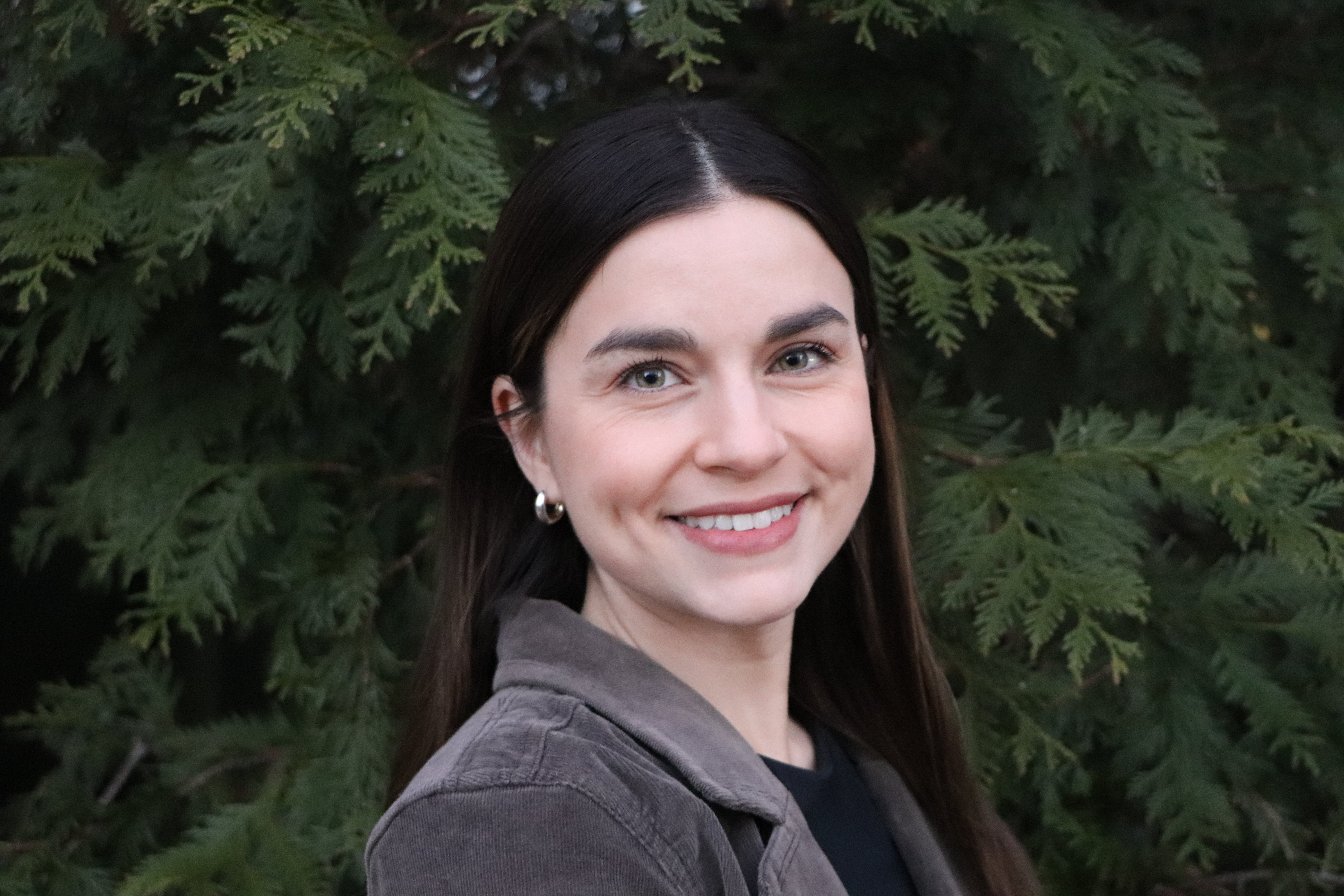
 In this interview episode, Mallory Mejias and Amith Nagarajan sit down with Torey Carter-Conneen, CEO of the American Society of Landscape Architects (ASLA), to explore what it really looks like when AI becomes embedded in everyday work. Torey shares how ASLA moved beyond experimentation to fully operationalize AI across the organization—from internal, tiered training programs to AI-powered member service workflows that generate reports and respond to inquiries in minutes. They dive into how automation is freeing up staff time to focus on higher-value work, enabling deeper member understanding and more meaningful engagement. The conversation also tackles leadership mindset, the importance of starting before you feel ready, and how associations can rethink their role by building tools that directly impact members’ day-to-day work.

 🔎 Find Out More About Torey Carter-Conneen:
https://www.linkedin.com/in/toreycarterconneen
https://www.asla.org 

Timestamps:

00:00 - Introduction to ASLA and Torey Carter-Conneen
02:24 - Torey’s Journey & What Landscape Architects Actually Do
08:26 - AI at ASLA Becomes “How Work Gets Done”
12:05 - Building an Internal AI Training Program
16:52 - AI in Member Services and Inquiry Handling
20:11 - From Email Requests to AI-Generated Reports
27:38 - Scaling Report Access Across Chapters
33:31 - From Personalized Renewals to Member Value
41:23 - AI, Sustainability, and Member Concerns
47:50 - Advice for Leaders: Just Start


👥Provide comprehensive AI education for your team

https://learn.sidecar.ai/teams

📅 Register for digitalNow 2026:

https://digitalnow.sidecar.ai/digitalnow

🤖 Join the AI Mastermind:

https://sidecar.ai/association-ai-mas...

🎀 Use code AIPOD50 for $50 off your Association AI Professional (AAiP) certification

https://learn.sidecar.ai/

📕 Download ‘Ascend 3rd Edition: Unlocking the Power of AI for Associations’ for FREE

https://sidecar.ai/ai

👍Please Like & Subscribe!

https://www.linkedin.com/company/sidecar-global

https://twitter.com/sidecarglobal

https://www.youtube.com/@SidecarSync

Follow Sidecar on LinkedIn

⚙️ Other Resources from Sidecar: 

More about Your Hosts:

Amith Nagarajan is the Chairman of Blue Cypress 🔗 https://BlueCypress.io, a family of purpose-driven companies and proud practitioners of Conscious Capitalism. The Blue Cypress companies focus on helping associations, non-profits, and other purpose-driven organizations achieve long-term success. Amith is also an active early-stage investor in B2B SaaS companies. He’s had the good fortune of nearly three decades of success as an entrepreneur and enjoys helping others in their journey.

📣 Follow Amith on LinkedIn:
https://linkedin.com/amithnagarajan

Mallory Mejias is passionate about creating opportunities for association professionals to learn, grow, and better serve their members using artificial intelligence. She enjoys blending creativity and innovation to produce fresh, meaningful content for the association space.

📣 Follow Mallory on Linkedin:
https://linkedin.com/mallorymejias

Read the Transcript

🤖 Please note this transcript was generated using (you guessed it) AI, so please excuse any errors 🤖

[00:00:00:14 - 00:00:09:17]
Mallory
 Welcome to the Sidecar Sync Podcast, your home for all things innovation, artificial intelligence and associations.

[00:00:09:17 - 00:02:22:05]
Mallory
 I'm one of your hosts along with Amith Nagarajan. And today we've got a special interview edition of the Sidecar Sync Podcast lined up for you. Imagine a world where one of your chapter leaders could email your association a question about membership and receive a complete customized report in minutes instead of your staff spending hours pulling the data. That is not a future state idea at the American Society of Landscape Architects. It's already happening. Today's guest is Tori Carter-Kanin, CEO of ASLA, an organization representing nearly 17,000 landscape architects, designers, and industry partners working to create more sustainable, resilient, and connected communities. Since taking the helm in 2020, Tori has led major efforts to elevate the profession, including securing a federal STEM designation for landscape architecture, launching ASLA's Climate Action Plan, and protecting professional licensure across all 50 states and Washington, D.C. But he's also cultivated a culture where innovation can thrive, one built around curiosity, collaboration, and giving people the freedom to experiment with better ways of working. In this episode, we explore how ASLA created its own AI training program and brought every employee through it, how AI is helping the team respond to member inquiries and generate custom chapter reports from a simple email request, and how they're personalizing renewal communications around each member's actual involvement, not just adding a first name to a template. But I think even the bigger story here is what all of that time save makes possible. Less staff energy spent on repetitive work and more capacity to understand what members need and create entirely new forms of value for them. This is what it looks like when AI stops being a pilot and simply becomes how the work gets done. Everybody, please enjoy this fantastic episode with Tori Carter-Kanin.

[00:02:22:05 - 00:02:49:01]
Mallory
 Tori, thank you so much for joining us on the Sidecar Sync podcast. We're so happy to have you. We do a lot of talking about innovation and associations on this podcast, but I feel like you're doing a lot of the walking at ASLA with innovative work and artificial intelligence. So we're really excited to get into this conversation with you. First for our listeners, can you share a little bit about your background and how you came to lead ASLA?

[00:02:50:04 - 00:03:06:21]
Torey
Well, thank you, Mallory, uh, and Amith. I'm really excited to talk to you both. Um, that is such that question. You know, as you get older, that question becomes harder and harder to answer than because you're reminded of how old you are. It's a loaded question, right? It is. It is. Um,

[00:03:07:22 - 00:03:29:00]
Torey
 so I started off, uh, in the association world when I was 20. Uh, so it's been a while, almost 30 years ago. And, um, my first association was the American Society of Industrial Security. So ASIS International, which I'm sure you listeners will be familiar with. Uh, and, um, I found the job and, you know, this old thing called an ad in the newspaper.

[00:03:30:21 - 00:05:12:00]
Torey
 Um, and it was for a bookkeeper. It was that simple of a title. And I, uh, short fast forward, went in, got the position, uh, and I was there for a decade and I was there where I kind of learn, you know, sort of what the association world is and the value that it brings, um, to the professional communities that they, that each organization represents. And so I kind of cut my teeth there. And then, uh, the way I tell the next progression is again, we're talking in decades at this point, just kind of, kind of odd. Um, but the next decade is sort of this mix of think tank work and, uh, here in DC and other associations, uh, I did a little political advocacy training and things of that nature. And I also worked for a public company, uh, public transportation company in Virginia. Um, and so that's where I had, so that was sort of a mixed bag of leadership roles. Um, but it got me to understand sort of, you know, how to navigate all those different worlds, and then I kind of came back home, uh, to the association community. And I got to ASLA, I've been at ASLA now for six years. And which means that you do the math. I started right in 2020, right in the middle of COVID. Uh, which was fascinating. Um, so yeah, I, the first year or so there were, there were staff members that I still hadn't been, uh, because we were all remote. And, uh, uh, so yeah, that's, that's how it came to be. I found this job opportunity and like a week or two later, I had to shut down our office because I worked at the American Immigration Lawyers Association. We're supposed to do a test day. A test day turned into, we didn't come back. Uh,

[00:05:13:06 - 00:05:32:06]
Torey
 and so once I got everything settled, like I found this job at it and I read it. And I thought, wow, this, this organization is fascinating. I'd never heard of the term landscape architecture until then. And, but once I read this or 12 page prospectus that was full of these examples of the work and the story and the history of the profession,

[00:05:33:07 - 00:06:12:05]
Torey
 I was blown away. And, you know, keep in mind that in 2020, when I was sort of exploring this opportunity, we were all exploring our communities in new ways too, right? So we were all outside and seeing different parts of our community in ways that we hadn't probably before, appreciating being outdoors and the freedom of exploring neighborhoods and seeing charts and having somewhere for our kids to play, that's, you know, getting them outside of the house during that wild period we were living through. And so I'm exploring this opportunity that is all about that, you know? And so I thought this is where I want to be. And, and, and frankly, this is sort of the future

[00:06:14:01 - 00:06:26:01]
Torey
 that I think I want to be a part of helping people understand because that moment in time, people were totally zoned in and attentive to the value of outdoor space, but then we go back to our regular lives and we kind of forget.

[00:06:27:10 - 00:06:36:18]
Torey
 So I wanted to be a part of helping to sustain what we appreciated about outdoor space and the intentionality behind it well beyond the pandemic.

[00:06:38:01 - 00:06:57:20]
Mallory
 Wow. I would imagine with the pandemic and the advent of artificial intelligence, this might have been one of the craziest decades of your career. I would venture to say that. You did mention that you weren't a hundred percent clear on what landscape architects were, and I'm sure I had to do some research before this podcast and our listeners may feel the same way. Can you tell us a little bit more about the work your members do?

[00:06:59:04 - 00:07:05:00]
Torey
 Sure. And I, I take sort of a broad lens description of, I'm sorry, because they do,

[00:07:06:02 - 00:07:36:04]
Torey
 each of them would describe their work differently, right? It's like any profession, there's nuance and different niche parts of practice. I think the way we've learned and sort of adopted here to talk about landscape architecture is to meet people where they are, because to your point, most people don't understand, they hear landscape, they don't hear the architect part. And so they usually go landscape, oh, that's my backyard person, or that's Trump's, or that's sort of decorative, the aesthetic part of landscape.

[00:07:37:05 - 00:08:25:00]
Torey
 The architecture part is the intentionality, it's the design part, right? Somebody actually sat down and thought about what that space needed to be and the function that it needed to provide to the community or whatever the space is. And then the most simple way to help people understand is to sort of meet them where they are and understanding what traditional, what some would describe as traditional architecture. So building architecture, right? So there's building architecture and then there's landscape architecture. Usually when you put it in that frame, people can, can kind of quickly get to, I understand, there's the building and then there's everything around the building and all the different elevations and where the water drains and the materials, the access, the accessibility, all of that, that integration with nature is landscape architecture.

[00:08:26:13 - 00:08:53:03]
Mallory
 That's very helpful, Tori. Thank you. I want to start with painting this picture of where ASLA is with artificial intelligence right now. That's another loaded question I'm hitting you with, but I sent you a list of prep questions before this podcast and you made the comment that AI is not a pilot, it's just how the work gets done now at your organization. So I was hoping using that phrase, we could bounce off and help us understand where you all are with AI right now.

[00:08:53:03 - 00:08:53:24]
Torey
 Yeah.

[00:08:55:10 - 00:08:58:11]
Torey
 Yeah, we don't, it's interesting. It probably was a pilot at one point,

[00:09:00:18 - 00:09:03:11]
Torey
 maybe a year and a half ago, perhaps.

[00:09:04:17 - 00:09:46:14]
Torey
 But, you know, like anything here at ASLA, we kind of, we kind of have an entrepreneurial spirit sort of baked into the culture where curiosity and sort of, if you have an idea, you know, I'll tell you this, when I first came on board, like my framing, when I told everybody is, you know, that drawer of ideas that you sort of had, that, you know, you had it, you presented it, people were like, no, we can't do that. We don't do that here. Or we tried it and it didn't work. You stuffed it in this drawer, like open that drawer up and let's revisit that. Right. And so we have this sort of environment that we've built where new ways of doing things, more efficient way of doing things.

[00:09:47:14 - 00:09:53:22]
Torey
 How can we take what's old, repackage it and do it a different, and present it differently to the membership because they probably still need it.

[00:09:55:07 - 00:10:08:09]
Torey
 That's sort of baked into how we work. And so AI to me, it's just, it was sort of another way, another tool or thing concept to introduce into this culture that we've created. And so

[00:10:09:09 - 00:10:24:14]
Torey
 I was a little nervous, right? Because you always have some, you have your early adopters and then you have folks who are a little more hesitant. And certainly there's certain parts of our work. We have an award-winning magazine. So, you know, our, our, our, our magazine folks are like, absolutely not. Right.

[00:10:26:20 - 00:10:54:12]
Torey
 And, but that's fine. So I think where we, where we sort of, where I, when I started to talk more about it, it was through that frame. It was like, this is kind of who we are anyway. This is a way for us to deliver better services for our membership, different services for our membership, things that would, that, that would normally take us weeks, months that we would only be able to do annually in some cases. If we actually research and use AI and sort of

[00:10:55:14 - 00:11:27:15]
Torey
 as a partner, as a tool, as a resource, we might be able to do things that we dreamed about doing for, for years. And so it's just part of the culture for us. And so again, it was probably a pilot at some point, but it didn't, it wasn't a pilot very long. And once I started talking about it in that way, there are more people shockingly, you know, some of the folks that I was a little more like at first, it was going to take a while, right. That's while they have every good intention, they might not jump on board as quickly. In fact, when we sort of framed it as a, this is not a scary thing. It's not a job replacement

[00:11:28:19 - 00:12:00:02]
Torey
 campaign. This is a way for you to be more effective as a professional. And frankly, it's also preparing you, not just the reality is for most of us in this organization, this is not the last job we're going to have. And so it's also a way for you to be able to distinguish yourself moving forward as a professional, because there's no job now that you're going to be able to apply to and have any conversation with any hiring manager, but they're not going to have, not just asking about AI, but expect you to have some experience in using it to do the position that they're hiring you.

[00:12:01:02 - 00:12:04:14]
Torey
 So it's also job training in my view.

[00:12:05:17 - 00:12:37:02]
Mallory
 Well, speaking of job training, Amith, I don't know if you know this just yet, but you're going to be excited to hear that AI training was made mandatory at ASLA. We talked to a lot of associations that highly encourage AI training. And if you would like to take an AI course, go ahead. We support that, but they're very hesitant to mandate training. Amith is on the mandate train, Tori. I'm curious, especially hearing about your magazine group that seems like, you know, we're a bit maybe turned off by AI, what that process was like on deciding this is essential for everybody.

[00:12:37:02 - 00:12:46:23]
Torey
 Yeah. So, I mean, I don't know that I probably didn't say it was mandatory, right? But it was.

[00:12:48:17 - 00:13:16:01]
Torey
 And here's the thing. I think what we said is you have to at least try it, right? And here's how we kind of onboarded that. So the training is all internal, right? And so the training is for us, by us, you know? And so we have those early adopters. Many of them are on my executive team, quite honestly. And we sort of sat in the room with our HR lead, our people and culture lead, and said, so how do we,

[00:13:17:01 - 00:13:23:23]
Torey
 we don't want to just have a stick approach to this, right? We don't want us to be, if you don't do it, then this happens.

[00:13:24:23 - 00:13:34:00]
Torey
 And so what are the ways that we can break down any barrier or intimidation that people may have? Well, one is sometimes, all due respect for me,

[00:13:35:07 - 00:13:38:05]
Torey
 external consultants can be a little more intimidating, right?

[00:13:39:12 - 00:14:08:19]
Torey
 If you bring them in at the beginning, it's people are like, oh my God, right? You know, and they're using acronyms and language and things that you don't quite understand. So instead we had the people who they know, right? Their colleagues, they work with every day on everything else. Leaders in the organization. And we sort of said, you know, there's, and we sort of thought about what are the groups of people that we have on stand, right? We have people who are already using this thing and like, they're like, flying, right? They're gone. Then you have the people who are open to it, but don't know where to start.

[00:14:10:01 - 00:14:37:17]
Torey
 And then you have the people who are like, I really don't think this applies to my, and so we create these 100, 200, 300 level courses. It's all internal and each of those leaders sort of took on one of those courses. And we, because each one of them is a little more further, a little further along than the other in their training. Our CFOO is like, you know, I keep him like locked in a room because everybody wants access to him. He's phenomenal.

[00:14:39:01 - 00:15:46:18]
Torey
 So we created this, this sort of, this tiered training structure that everyone, you sign up for it, you graduate from one course, go on to the next one. And it's very sort of hands on and personable. So you, it's small group training. And so you can ask the silly question. You can ask the question that, you know, you might be intimidated to ask a consultant cause you don't, you know, you don't want to sound like you don't know. Um, and it's work. Everyone in the organization, I think we started this about a year ago, everyone in the organization has gone through it. And then the other part of it is each month in our staff meeting, each person sort of, there's a volunteer person from across the organization. Um, who presents a case study on how they use AI in their day to day work. Because part of the, I think part of helping people break down the intimidation or the fear is when you see your colleagues that you just went to lunch with or that you hang out with them, work on other things, tell their story about how they're using it. It's one thing for me to stand up and say, it's as great, we should all be using it. It's fantastic. It's going to save us all this time and energy and money. It's another thing for your colleague to say, like this saved me. Like what used to take me five hours, I did in 30 minutes.

[00:15:48:00 - 00:15:59:01]
Torey
 And they do what they present every week. They, they're questions back and forth. And so that, that, and again, as part of, that's a cultural frame, right? That's the sort of how we operate

[00:16:00:01 - 00:16:43:13]
Torey
 anyway. And we just sort of integrated these AI teachings into that frame. And I think people were much more, um, accepting to sort of lean into it. And again, now some of the people who, you know, have been here the longest and, and had, or have the jobs that are a little more routine, frankly, those are the people, you know, for like all over this because of the thing, particularly our member services team or some of the folks who do more of the, the, the, the jobs, the, the, the things like entering emails or responding to phone calls and you know, the basic memory inquiries. I can't reset my password. I can't access this. So where's that? They're using AI to sort of fast track those answers

[00:16:44:15 - 00:16:50:09]
Torey
 and they're like, Oh my God, you know, I wish I had this 10, 15, 20 years ago.

[00:16:50:09 - 00:16:51:23]
Amith
 It's fantastic.

[00:16:53:03 - 00:18:28:16]
Amith
 That's really exciting to hear it. Sorry. And you know, it's a kind of build on what Mallory said about, uh, you know, my, my mindset around mandatory training and kind of building off that. I think the approach you're taking of it's kind of, you know, more of a softer glove around it, but there's still a firm push. I think is, is really smart. You know, I believe that the most important thing to do is the train people. Um, I think that the training that's best is the training people take. And in your case, you were able to get, you know, get people on board. And that's really exciting. You know, Tori, you and I just connected for the first time, um, at dinner about two months ago, I think Michelle Mason put us together and we had a group of eight other CEOs, we had this awesome dinner in DC where we talked about AI adoption. And, um, you know, you and I immediately connected over a couple of things. One of them was this topic. Of course, we both have a great haircut. Um, but you know, we, we both, um, we're talking about it from the perspective that you can't just let people opt out in a sense, right. And, and, you know, you said something earlier that I wanted to highlight that, um, you really struck me as someone who feels a personal responsibility to your team, to prepare them, not just to do the work at ASLA, but to prepare them for their future. And part of what I've been going out there saying is, is that the leaders who don't push AI as a critical professional development thing are committing leadership malpractice because my view is that the leader's greatest responsibility is to their people and to prepare their people to be successful in the future when that leader may not even be there. Um, and so that's a lot of what, you know, struck me when our conversation that I wanted to get into. So here we go. We're right into it.

[00:18:28:16 - 00:18:32:11]
Torey
 Absolutely. I completely agree. You know, it's, it's, um,

[00:18:33:19 - 00:19:42:05]
Torey
 it's similar just to build on that topic a little bit. Right. Like, so you're going to have staff that are going to come and go all the time. If, if I can have a staff person, um, who's just sort of like, you know, maxed out in the role that are in, um, leave and have had a great experience here at ASLA. Right. And go and tell other people what a great experience they had and how they were prepared for that next thing because of the experience they had here. That only makes us better as an organization. Right. That's why people, I think are, are, you know, my, my, my CFO is going to be on a panel at ASAE, he's doing just as many speaking engagements as I am on this thing. Um, our marketing team is being interviewed about how they're using AI and their marketing efforts. And so when you put out, when you sort of have this sort of, um, empowering culture, like where we want people to be the best here and recognize that this is Washington DC, there are a thousand opportunities at every corner for people to do more, do bigger, better things.

[00:19:43:11 - 00:20:10:11]
Torey
 We want you to always talk well about us and we want you to do your best somewhere else. You may come back to us, right? You may, you may go and get some new experience and then bring that new experience back to ASLA. It doesn't, I don't think it does any leader any good. Um, to have what I would call a much more selfish, insular kind of thinking, um, when it comes to their team, it's just no good can come from that in my opinion.

[00:20:11:17 - 00:20:38:20]
Mallory
 Sounds like you've really done the work Tori and helping to, to strengthen and cultivate that culture of entrepreneurial spirit, like you mentioned at ASLA. I'm curious in your hiring practices, when you're looking to bring on new people, um, what do you look for? Because I feel like we have a lot of listeners that would love to have more that entrepreneurial oomph, that innovative oomph in their culture, but they're struggling and they're trying to find the right people and the right fit. So how, what do you look for when you're hiring a new staff?

[00:20:38:20 - 00:21:05:02]
Torey
 I, it's a great question. I, so there's a, what do I look for and what do I encourage others to look for? Let's be honest. It doesn't always work. Right. Um, you know, not every hire is, ends up being a great hire. Um, but I think you'll learn something from the ones that work and the ones that don't, uh, and so to answer your question, I think the thing that I look for is candor and curiosity.

[00:21:06:17 - 00:21:32:16]
Torey
 I think a person who is willing, if I asked you a question in an interview, uh, about something and you don't know the answer to it and you tell me, yeah, I don't really know, um, but I'm here's, who's what I think, how, how I would think about approaching it or here's how I think, you know, uh, the answer might be or that is gold, right? Someone who will tell me, I don't know,

[00:21:33:20 - 00:21:35:01]
Torey
 but I'm going to figure it out.

[00:21:36:17 - 00:21:37:22]
Torey
 Honesty and curiosity.

[00:21:39:02 - 00:22:01:09]
Torey
 Everything else is trainable, right? But someone who was going to really come in here and kind of, you know, roll their sleeves up and, and, and they may know how to do 60, 70% of the job, but they, they, they're curious and interested in learning the rest and being a good colleague. You know, they, they are so sick and tired of hearing me say, I'm sure

[00:22:02:13 - 00:22:07:02]
Torey
 the way we do our work is just as important or more important as the work that we do.

[00:22:08:21 - 00:22:16:18]
Torey
 So we can, we, we are far better as an organization when we are working together and, and, and really collaborating as a team.

[00:22:18:05 - 00:22:45:01]
Torey
 We can do the standard things, right? We can put on a magazine every month. We're really good at that. We have all the talent we need. We have a conference that gets, you know, 6,500 people attending every year. We do really, really good stuff in our, in our, so for our, on behalf of our members, advocacy, all kinds of things. We, we, we go up a notch when we actually collaborate and, and, and think outside of the box with one another and challenge one another, like that that's the next level.

[00:22:46:04 - 00:23:05:05]
Torey
 And so a person in an interview, because every, every person who's hired the last interview is with me, and it's just to sort of say to them, like, this is real. You know, like what you, what you've read in the job description is one thing, but like the culture, this is a real thing. Right. And so

[00:23:06:10 - 00:23:22:05]
Torey
 if you want to sort of sit in the corner and work by yourself, this is probably not the place for you. Right. Um, we are 18 and we collaborate on all kinds of things. We don't have these sort of thetums and I'm sure they exist, but they're rooted out really quickly.

[00:23:23:06 - 00:23:38:06]
Torey
 So that's, it's a real thing. So everybody, when it, when they're in interview with me, I'm assuming that they've cleared the skills sort of right. And they are qualified to the job. Then it becomes more about how do you think about the work? What are you curious about?

[00:23:39:08 - 00:23:41:08]
Torey
 How are you going to show up every day with your colleagues?

[00:23:43:02 - 00:24:12:24]
Mallory
 I love that. The last interview with you. I think that's essential when trying to keep that culture strong. Tori, I want to get into some concrete examples of the AI work that you all are doing. You mentioned member service and I feel like that's an excellent place to start. Um, your team is using AI to answer inquiries from members. You also mentioned that voice chat and text are on the way. Can you talk about that whole process? Very curious, also excited to hear about the voice element, but how is your member service team utilizing AI?

[00:24:12:24 - 00:24:49:23]
Torey
 So usually a couple of ways. So those are the ways you just mentioned, right? And it's pretty straightforward. It's, it's, it's based. I wasn't even going to say it's basic. So I think, I think Greg would kill me if he heard me say it was basic. Uh, but it's, it's, you know, they're, they, a member goes to the site, has a question, um, or has an inquiry based on the inquiry, that message goes to the membership team and it's sort of like categorized, if you will, and triaged. So some of it, the, the, the, the system will basically go to our website or our database and answer the question and direct them to where to go,

[00:24:50:23 - 00:25:00:14]
Torey
 or if it's a question that is not so, not so simple, then it will sort of, sort of categorize it for the membership team and then they can respond to it. Um,

[00:25:02:05 - 00:25:46:22]
Torey
 so that's, that's the beginning of what this is turning into. Um, the voice element is coming. The chat element is there. Um, but the example I want to tell you about that I'm super excited about is, and I think a lot of the listeners will be excited about it because all of us have chapters and all of us have, have layers of chapters who have these same challenges of membership roles, turnover, what's who's, who's currently a member, who's lapsed, who's coming up for laps. Because many of us, you know, share our dues with our chapters, right? There's a chapter dues and then we have the national dues. And so these reporting, reporting, uh, to and from national to the chapters is really important and chapters rely on this information as data from us,

[00:25:48:12 - 00:26:39:22]
Torey
 but it can be a challenge to pull these reports and all these things from the database, depending on your database, right? And how old your database is, uh, that can be a challenge, a very manual process. And so we've developed this tool where our chapter leaders can actually email. Uh, I think it's a particular email address. It recognizes your email address and who you are based on what you, based on your email address, so it knows which chapter you're from and who you are. And you can say, you can ask in the body of the email for some general information, like, please, uh, I don't have a, an updated membership roster for the South Dakota chapter. How many new members have I gotten, uh, have come online from the South Dakota chapter that have not come to an event in the last five years?

[00:26:41:02 - 00:26:46:10]
Torey
 And the email goes, the AI agent goes into the database,

[00:26:47:17 - 00:26:52:13]
Torey
 basically reads your email and then produces a report that answers your question

[00:26:53:15 - 00:27:38:07]
Torey
 and then send it. It goes to, I think that, I think that it can go directly to the person, but I think the membership team wants to make sure, right? You know, so they review it first to make sure it's accurate. And then it goes on. Uh, but there's no, they don't save it and send it, right? It's basically, it goes into a queue, they glance at it and then it's kind of released. Um, and all of that is automated. So every month the chapters get the most recent, you know, latest and greatest membership data, data from their chapter. And they can ask specific questions that kind of cuts some of the cross tabs of information for their chapter, for their membership. That's huge. Right. That is something that would take hours of time each month.

[00:27:38:07 - 00:28:51:12]
Amith
 That's so exciting. I think those, both those examples, the member service emails and also the chapter relations piece are major pain points for basically every association on the planet, I would guess. And you know, it's an interesting thing because we talk a lot about this where you take what might be considered a pain point to a lot of associations on, on both sides, where the association staff are overwhelmed by the number of emails and inquiries they're getting. And then the people on the other end aren't super happy because it takes a long time to get a response and you, and you flip that. So of course it makes it more efficient. But what we often talk about is the idea of actually flipping the idea of, of how to think about member services, um, as an example, where a lot of times people talk about things like, Hey, we need to be able to respond to people within a day. Or how many total tickets do we have open? And then they'll say, well, if we have fewer than 50 tickets open, we're doing well. And the thing that we ask is, well, but actually maybe with this technology, we can completely change our mindset and say the more tickets we have, the better, because people are so happy with our quality of service that we actually have thousands of tickets open at any given moment in time. How do you react to that?

[00:28:52:21 - 00:29:24:11]
Torey
 I have a couple thoughts. Uh, I think that's fine. Right. Um, cause I think, I think there could be a situation where people like, Oh wow, they actually do spot, right? I can get an answer back from these people. So yes, absolutely. I also think that old metric model, that old sort of, um, way of sort of measuring almost like a satisfaction level of the members or an efficiency level of the membership, uh, services team is completely flawed because you, you could have 50 tickets left, but if those are 50

[00:29:25:15 - 00:29:39:16]
Torey
 really, really challenging tickets that you don't get to because you spent all of your time and effort answering the other ones, and that ends up being 50 members that are dropped.

[00:29:40:24 - 00:29:43:00]
Torey
 That's, I don't know that that metric works out.

[00:29:44:14 - 00:31:05:13]
Amith
 Yeah, totally agree with that. And you know, what we found for, for years and years and years implementing these kinds of technologies is that people start off with this idea of, um, even for the very basic inquiries, they want to review every response. You know, they want to say, Hey, I want to make sure it's perfect. Let me review it. Let me review it. And then what happens usually fairly quickly, we found this to be true. Like, you know, 10 years ago with like AI, personalizing people's emails and personalizing newsletters and stuff like that. And then we find this to be true with a whole lot of other agentic systems these is that pretty quickly people want to go to a higher level of, of auto approval. And then ultimately even close to autopilot on most things. And one of the concerns that your culture, I think probably, um, probably short circuit of this concern to begin with, but a lot of people have is their member service, customer service, chapter relations staff, whoever's doing this work right now that's processing these tickets, these tasks, they get worried. Because they say, well, that's like 90% of what I do and what you pay me to do. So what I'm going to, what am I going to do? And then the reason I bring it up is both because I think your culture probably made that, um, a lesser issue because you've been so open about how people can improve themselves. And I'd love to get you to comment on that particular point, but also the 50 tickets we're talking about is actually what we want those people to go focus on to give those people an outstanding result.

[00:31:05:13 - 00:31:25:15]
Torey
 That's it. Our membership team is just, it's similar, right? They, they, because they are the front lines, right? And they deal with the, if it's not right, they're the ones we're going to have to, they're going to hear it. Right. And so I completely understand and empathize with the concern, right? Of, uh, I want to make sure it's right. I want to deliver excellent service to the membership.

[00:31:26:23 - 00:31:33:20]
Torey
 I think we've dropped them along a little bit more by just showing that 99.9% of the time it's right.

[00:31:34:23 - 00:31:54:07]
Torey
 You know, and, and, and if we spend more time on the front end, testing it and making sure that it actually is going to the right sources to get the information and that the source information is right. It saves us so much time on the tail end of it. What a new example of this that Greg

[00:31:55:21 - 00:32:07:00]
Torey
 is building is another one of these responses, uh, inquiries coming in, uh, into the membership. He's, I mean, there's so many things that he's kind of standardizing that

[00:32:08:00 - 00:32:09:06]
Torey
 each time he does it,

[00:32:10:10 - 00:33:19:07]
Torey
 the membership team gets a little bit more confident. A great example of that is, uh, our invoicing. So now we're getting to the point where we're actually personalizing our invoice. Our renewal membership dues renewals to people and it is not just personalized with your name or thank you for being a member for five years. It's personalizing is the point of, we really appreciate that, um, that you participated in advocacy day last year and helped us advocate for, uh, clean water or the infrastructure bill. Um, that bill has done X, Y, and Z or thank you so much for your work on this committee, um, and thank you for coming to the conference for the last five or 10 years. And so it's, it's that level of personalization that we're aiming for. And I think that, you know, that that's where the, the shift in thinking, again, I think it examples, successful examples like this only help the team. Get on board faster and like be more open to the change. Right. But you got to prove that as a leader, you got to prove that like, you're not just sort of saying to do these things

[00:33:20:09 - 00:33:31:16]
Torey
 just because, but you got to convince them by showing them that like, you actually can't have a, uh, you know, a less stressful work experience if you try some of these things.

[00:33:31:16 - 00:33:47:11]
Amith
 And it sounds like this is, you mentioned Greg, is that the, that's your in-house person who's the deepest in AI. And that's so amazing because he knows your business and he's able to harness this technology. Does he have a prior software development background by chance or is he just someone who's picked this up?

[00:33:47:11 - 00:33:50:20]
Torey
 Um, that is, um, uh, classified information.

[00:33:53:02 - 00:34:07:04]
Torey
 I'm kidding. No, he's a, I mean, he's, he's, he's a genius. I mean, the guy is just amazing. He's, he's, uh, he's actually a CPA. He's our CFO. Um, so he's a CPA, but he, he, he does this stuff in his spare time.

[00:34:07:04 - 00:34:07:21]
Amith
 Yep.

[00:34:07:21 - 00:34:18:02]
Torey
 You know, I will have a conversation with him or one of his colleagues will have a conversation with him, just sort of saying like, Oh my God, I'm ticked. This, this thing is taking forever. And the next day he's like, here you go.

[00:34:18:02 - 00:35:06:23]
Amith
 Yep. Well, the thing that I wanted to point out there, I, I didn't know this, but I was guessing that he probably wasn't a software developer that he was professionally in some other domain, but he's just a sharp guy who likes doing this stuff and is able to figure it out. And you gave him an environment where he had the degrees of freedom to be able to do that. And the point I would make is you don't necessarily need an outside software developer or an in-house software developer to do this. Um, it's so easy to use these tools these days that you just need to start doing stuff. And you need to have an environment where you can do it in a safe way, obviously to test it, but, uh, to be able to just start moving and then, then you build organizational reps. Um, and those reps result in better and better realization that, Oh wait, I did this now I can do this. And that momentum only comes from practice, I think. And so what I hear you saying is, is absolutely golden. That's really exciting.

[00:35:06:23 - 00:35:47:01]
Torey
 And then you're thinking, I mean, once you sort of institutionalize that you can see from a, uh, operations perspective success, now you can start to dream about what can we do for the members? Right. What can we actually produce that would make their lives easier or save them money in their business? Uh, and that's kind of where we're at now is sort of what are the, what are the. Sort of, you know, standard things that every landscape architecture firm utilizes. What are the, what are the tools? What are the, what are the things that they have to deal with that are pretty standard or across most firms and how, what are they,

[00:35:48:08 - 00:35:55:24]
Torey
 how much money are they spending to do that? And is there something we could build that's even more specialized for the profession

[00:35:57:07 - 00:35:58:19]
Torey
 that we could offer as a member benefit?

[00:36:00:15 - 00:36:11:18]
Torey
 And that's where associations can really, really add value to the membership and move the association and the profession forward that they represent.

[00:36:11:18 - 00:37:43:23]
Amith
 And what you're describing Tori is exactly the type of, um, member engagement that goes, it flips the conversation around from where people hear personalization, which you mentioned earlier, which I'm a massive fan of personalization. I think it's a critically important thing. But it's not just about personalizing the stuff you already have. It's about thinking about things like you just said, where you're like, Oh, well, what are the members actually doing in their jobs and how can we provide them things that change the way they work, things that improve the way they work. Where the association is not an episodic partner where they come to a conference and have a, have a really good time once a year, but you, there's a reason for you to have daily or weekly engagement with them. Most associations, they seek that, but rarely is there actually a good reason from the point of view of the member to be in touch with the association on a regular basis and that leads to all these engagement challenges we have with the business model as it stands. So what you just described is exactly what I get excited about, which is to the degree that you can automate so much of the busy work, really, it's not, it's on, it's not that it's unimportant, but it's repetitive. You can then start to do what you're describing, which is to add more value. And that's not this, you know, consultant speak of, yeah, let's create more value. It's, you know, which is oftentimes a pretty empty promise. It's usually, um, like how do you repackage what you currently have is what most people are talking about. You're describing something different though. You're describing about changing the work streams in the members' day-to-day activity, as opposed to just, you know, kind of repackaging stuff that you already have.

[00:37:45:09 - 00:38:21:12]
Torey
 And, you know, the, yes. And the only way to do that is, and you basically just sort of said this, right, is you have to free up time for the staff to be able to learn what the members are actually doing in their day-to-day practice because not all of them are doing the same things, right? There's some sort of standardized work, but like you also have some who are in academia, you have folks who work in, um, um, public service, right? They're, they're people across the profession doing, uh, perform, doing the work in different, uh, industries or, uh, spaces.

[00:38:22:16 - 00:39:02:10]
Torey
 If we have, if we sort of free up some more staff time where even our educational folks are thinking about, well, what, what educational resources do people in these various environments need, right? The firm leader might need this. A new, a student landscape architect, a student landscape architect actually might need this. When we think about all of our programs and services, if we don't, we're not spending as much time creating the newsletter or creating the lists, right? We could actually start thinking about what do they need us to, to produce for them so that we're constantly valued. Like we're constantly the place that they go to first, right? That's what we want to be.

[00:39:03:16 - 00:39:08:01]
Torey
 But you can't do that if you're spending, you know, six or eight hours of the day, you

[00:39:09:05 - 00:39:24:01]
Torey
 know, putting together again, a newsletter. I mean, it's the perfect example. It's kind of the thing that all of us have and, and do. And, you know, we have members who love that newsletter and they look for it every whatever, you know, two weeks or, you know, week it comes out.

[00:39:25:02 - 00:39:26:00]
Torey
 That can be automated.

[00:39:27:11 - 00:39:29:22]
Torey
 You know, what else do you need from us?

[00:39:31:14 - 00:39:32:13]
Torey
 I could do a newsletter.

[00:39:34:19 - 00:40:02:15]
Mallory
 Speaking of your members, Tori, in my research and also based on what you just said about the example with the personalized invoice for clean water advocacy, it seems like your members probably deeply care about the environment and clean water and various landscapes. I'm curious what the member reception has been with these AI enhanced services that you're offering. And if you do find that they are open to them, if they're maybe a little bit weary of how you've navigated that as a leader.

[00:40:03:15 - 00:40:04:05]
Torey
 Yes.

[00:40:05:09 - 00:40:07:04]
Mallory
 Another loaded question. I'm so sorry.

[00:40:07:04 - 00:40:23:13]
Torey
 No, no, these are great. These are great. In fact, yeah. So I guess I'll start with the sort of the profession and kind of how they are thinking about this. I literally had a town hall with my board yesterday and we talked about, we were talking about AI and the ethics and how do you,

[00:40:24:13 - 00:40:46:18]
Torey
 on one hand, the membership, including many of our board members are saying we need resources and guidance on like what is even available out here that we could be using. We have small firms who are saying, I don't have the time to figure all this out. So I really need some guidance, almost like a checklist, if you will, of like, do I need to have an AI policy and should

[00:40:47:18 - 00:41:15:24]
Torey
 I, you know, are there business subscriptions I should have, you know, we use Advocates here to sort of that is basically a service that, you know, goes to the right AI for you to sort of for whatever prompt you put in. What should I be using that? So we're getting all of these sort of resource, like almost like vetting questions from the members who want to use it and want to understand the value of it. And then you have the sort of environmental side of the conversation

[00:41:17:07 - 00:41:32:01]
Torey
 where they absolutely care because landscape architects are the work with architects, civil engineers, planners to decide with the community where a building goes, the site of the building, the space that it goes with, the ghost that it goes to.

[00:41:33:15 - 00:41:57:17]
Torey
 And landscape architects spend a lot of time figuring out the stormwater solutions for those communities. They work with communities that actually engage them on like, what do they need? What is the history of the space that they're going to be in that this data center where these cloud services, storage facilities are going to be? So they care deeply about the energy impact, the water impact,

[00:41:58:23 - 00:42:30:02]
Torey
 and the impact on these communities that these place, these massive structures are being built. We advocate a lot for infrastructure and transportation funding. And so we are absolutely operating in that space. So we have these kind of two different worlds that we're living in. And we absolutely have members who will say to us, how are you on one hand saying we should be using these resources and these tools? And on the other hand, we're really concerned about the environmental impact of these facilities.

[00:42:31:02 - 00:42:37:17]
Torey
 And so we're having those conversations with our board now. And I think that the truth is where we're probably going to land is

[00:42:40:07 - 00:43:49:23]
Torey
 these data centers and this infrastructure is going to happen. And so rather than, I wouldn't even say accepting, not accepting it, but just engaging in the where they go, the impacts that they're going to have on the communities and doing what landscape architects do every day, which is helping to solve the problem, which right now the problem is many communities don't want these things in their communities. They're going to a lot of more poorer or rural areas in many cases, and you're getting a lot of pushback on that because frankly, they're not engaged in community in the conversation. Landscape architects do that for every project that they built before it's built, right? The whole conceptualizing of what the space will be and imagining what it could be and the history of it, understanding the soil structure, all of that goes into the planning of the space. So if you have us or landscape architects engaging in that conversation, you could get to a place that like many European countries have gotten, or even I was reading about Australia a couple days ago, where you're building these massive structures in a much more resilient and sustainable way.

[00:43:51:08 - 00:44:07:14]
Torey
 We have to get in this country to the place where we're having that conversation with our communities. And so as our board and our members are wrestling with what do we put in place from a policy standpoint, we can help right

[00:44:08:16 - 00:44:28:07]
Torey
 to get in front of policymakers and our government to say, look, we understand these things are coming or that they're going to continue to be built. Here's a better way to build them. Here's a more sustainable way to build them. And so we're going to be operating in kind of both of those worlds because the reality is

[00:44:29:08 - 00:44:30:18]
Torey
 the train is left the station,

[00:44:31:22 - 00:44:42:08]
Torey
 right? And so now it's about doing what LA's do all the time, which is engaging with the community and figuring out how do we do this the best way for generations to come. One thing I'll say to you

[00:44:43:17 - 00:44:49:08]
Torey
 is, as I was thinking about this interview, and I'm always drawn back to this, as one of the founders of our profession, I

[00:44:50:08 - 00:44:59:04]
Torey
 consider him to be the founder of the profession, Frederick Law Olmsted. And one of his sort of signature quotes is "The art is to conceal the art."

[00:45:00:05 - 00:45:01:18]
Torey
 Basically, his point is

[00:45:02:19 - 00:45:04:21]
Torey
 if you design something in a particular way,

[00:45:07:01 - 00:45:08:16]
Torey
 it's functional,

[00:45:09:20 - 00:45:10:10]
Torey
 aesthetic,

[00:45:11:24 - 00:45:13:16]
Torey
 and integrated

[00:45:14:16 - 00:45:16:03]
Torey
 with the space.

[00:45:17:09 - 00:45:41:18]
Torey
 All of that has to be thought out and designed with intentionality. And if you do that well enough, you won't actually get as much of this pushback that we're hearing right now. The problem is we're not doing that. We're actually we're just sort of plopping these things down in these communities and saying, take it, it's here. And they'll have any part of that conversation. And we as a country, we keep making that same mistake.

[00:45:43:07 - 00:46:00:06]
Torey
 And so we're figuring out what is our place as a profession in helping to change that so that people can sort of these these data centers are integrated with communities and cities in a way that benefits everyone.

[00:46:02:09 - 00:46:27:09]
Mallory
 I love that quote. "The art is to conceal the art." Yeah, thank you for sharing that. I'm curious for our listeners who are hearing you speak and maybe thinking, oh, we are not as far along as ASLA. We have such a long way to go. Do you have any advice for the CEOs, the executive directors, other leaders at an association who are listening to this episode and wanting to get started but struggling to? What would your advice be to them?

[00:46:28:16 - 00:46:30:18]
Torey
 It's a really simple answer, which is start.

[00:46:32:11 - 00:46:41:19]
Torey
 I mean, that's a really, really and it is assuming I'm going to answer your question specifically, right? You said how you framed it was CEOs, other leaders.

[00:46:42:23 - 00:46:44:02]
Torey
 They have to start.

[00:46:45:16 - 00:46:54:17]
Torey
 Right. They have to. And I'll just say something that will probably give me a lot of trouble when I'm at the ASE conference in a couple of weeks where the people will probably be like, oh, God. But like,

[00:46:55:24 - 00:47:03:15]
Torey
 I think as association leaders, we oftentimes our comfort zone is talking about governance

[00:47:04:18 - 00:47:05:10]
Torey
 and

[00:47:06:17 - 00:47:20:02]
Torey
 risk. Like, how do we avoid risk? Which absolutely all of that has to be part of the conversation and the board has to be part of the conversation and there have to be guardrails on all of this.

[00:47:21:15 - 00:47:58:10]
Torey
 But I often find in conversations that, and this is not exclusive to associations or CEOs or any leaders of any particular sector. I think all of us can be guilty of this, is when faced with change, we look for ways to slow down the adoption of change or, well, we can't start because we have to do these five things first. Right. We have to have the board conversation and we have to check the bylaws and we have to do all of these things when we could just be a little curious on our own and start

[00:47:59:15 - 00:48:27:23]
Torey
 and then have the conversation with the board. You can have the two things at once. Right. You could be having the conversation with the board saying, here's where I think this is going for us as an organization and here's where I think this is going for the profession. What do you think? Oh, well, I was trying this thing out. What if we try with membership? What if we tried with the newsletter, just automating that? Right. But you have to start. And I just find that oftentimes, whether it's AI or any sort of innovation,

[00:48:29:01 - 00:48:32:10]
Torey
 sometimes the fear consumes even the leader.

[00:48:34:00 - 00:48:39:17]
Torey
 And we sort of find things, you know, to sort of prevent us from even taking that first step.

[00:48:41:03 - 00:50:14:00]
Amith
 Building on what you're saying, I think that the advice is extremely sound and people should really consider that twice because the absence of motion, you know, results in the outcome being the same as it was prior to that point in time. Right. So basically people are just aren't they're not making any movement and they're wondering why they haven't moved. And I would also say there's there's a bit of a false positive in some organizations where if you were to ask a large number of association CEOs, hey, are you doing anything with AI? Some might say, no, we haven't started yet. But most would probably say based on conversations I'm having in surveys I've read, yeah, we're doing stuff. Yet most of them would also say they haven't yet realized an ROI on it. And well, I know it's early days for you guys to be talking about anything specific in terms of ROIs and so forth. The feeling I get from talking to you and hearing your story is there's there's very strong returns already in a number of areas, even if they're more qualitative than quantitative right now. And most people are not saying that. Most people are saying, hey, we're doing a bunch of experiments. And so I think part of what you're describing that I think is the key to going beyond experiments or pilots and actually seeing results that you feel in your bones that this thing is working and working well is that appetite for taking a little bit of risk and not looking at risk as a bad thing. But looking at risk is certainly something you have to pay attention to. But that's part of the process is to be willing to take on some risk. How do you feel about that?

[00:50:15:05 - 00:50:19:04]
Torey
 100 percent agree. But I think I think the thing I would add to that is

[00:50:20:08 - 00:50:22:02]
Torey
 being really transparent about what the risks are,

[00:50:23:12 - 00:50:35:24]
Torey
 you know, and making sure that you this but just like any other idea. Right. I mean, I feel like when it comes to technology or certain types of change, again, we we sort of throw out every

[00:50:37:11 - 00:50:38:18]
Torey
 for every other idea.

[00:50:39:20 - 00:50:49:09]
Torey
 We would take the same different approach, right? We would sort of say, OK, are we going to sign on to this advocacy letter? What are the risks? What is the benefit to the organization?

[00:50:50:24 - 00:51:20:23]
Torey
 Which part of our membership is going to support it? Which is are any parts of our membership going to be upset that we sign on to this? Is there are we going to take off some left or right? Right. So all of that sort of risk assessment from a policy perspective or where we have our conference, you know, internal operations, financial risk, all of those things, we have the same conversation, the same sort of risk assessment. But somehow, when we sort of pivot to technology or A.I.,

[00:51:22:06 - 00:51:32:03]
Torey
 we don't we freeze up, right? We don't go through that same raft, that same logic model that we use everywhere else in our running of a business.

[00:51:33:07 - 00:51:34:19]
Torey
 And so I don't.

[00:51:36:08 - 00:51:40:02]
Torey
 I don't I don't understand that. I am glad I don't understand it, frankly.

[00:51:41:03 - 00:53:29:12]
Amith
 Yeah, it's one of the mysteries of the universe, I think. And to double click on a specific example, pulling back actually something you said a few minutes ago, is that you guys are actively having A.I. respond to some, but not all member inquiries. And that is a brave choice because a lot of associations, they know that the A.I. is capable of responding to emails, for example, but they're unwilling to let the A.I. do it without a human review of literally every email, which undermines a lot of the value of the A.I. responding to the email in the first place, because a very large percentage of emails are not difficult to respond to, but the volume, it's the depth by 1000 paper cuts problem. So here you are willing to take a calculated risk, a measured risk by saying, you know what, I'm going to let the A.I. respond to some of these emails. And the point I would make is, you know, people hold the technology up to a level of perfection that they don't hold employees to. So we have this member services agent called Izzy. It does a lot of what you're describing. And we end up getting this pushback saying, hey, if Izzy makes a mistake and responds and sends the wrong information, like what happens? We're like, well, that's possible. It's unlikely. But what happens if one of your employees sends the wrong information? Whereas, you know, like you would not say that every single customer service member service person has to be at the level of your very best, most experienced customer service or member service professional, because by definition, you would never be able to train anybody new. Right. So I think we have because we have this dual standard for technology versus human driven process changes. We cause ourselves a lot of this extra pain. And I agree with you. We have to have management around the risk. But the absence of risk means the absence of change, too.

[00:53:29:12 - 00:53:39:24]
Torey
 Yes. And, you know, no organization organizations like ours who've been around for this point, one hundred and twenty seven years.

[00:53:41:13 - 00:53:44:11]
Torey
 We didn't get this far by not taking risks. Totally.

[00:53:46:09 - 00:54:04:01]
Mallory
 What a great way to wrap up this episode, Tori. I want to thank you for joining us on the Sidecar Sync podcast. I want to commend your strong leadership of ASLA. It sounds like you all are doing really meaningful work with technology to improve the experiences that you have for your members and also to free up time for your staff and then navigating all of

[00:54:04:01 - 00:54:09:15]
 (Music Playing)

[00:54:20:08 - 00:54:37:07]
Mallory
 Thanks for tuning into the Sidecar Sync podcast. If you want to dive deeper into anything mentioned in this episode, please check out the links in our show notes. And if you're looking for more in-depth AI education for you, your entire team, or your members, head to sidecar.ai.

[00:54:37:07 - 00:54:40:13]
 (Music Playing)