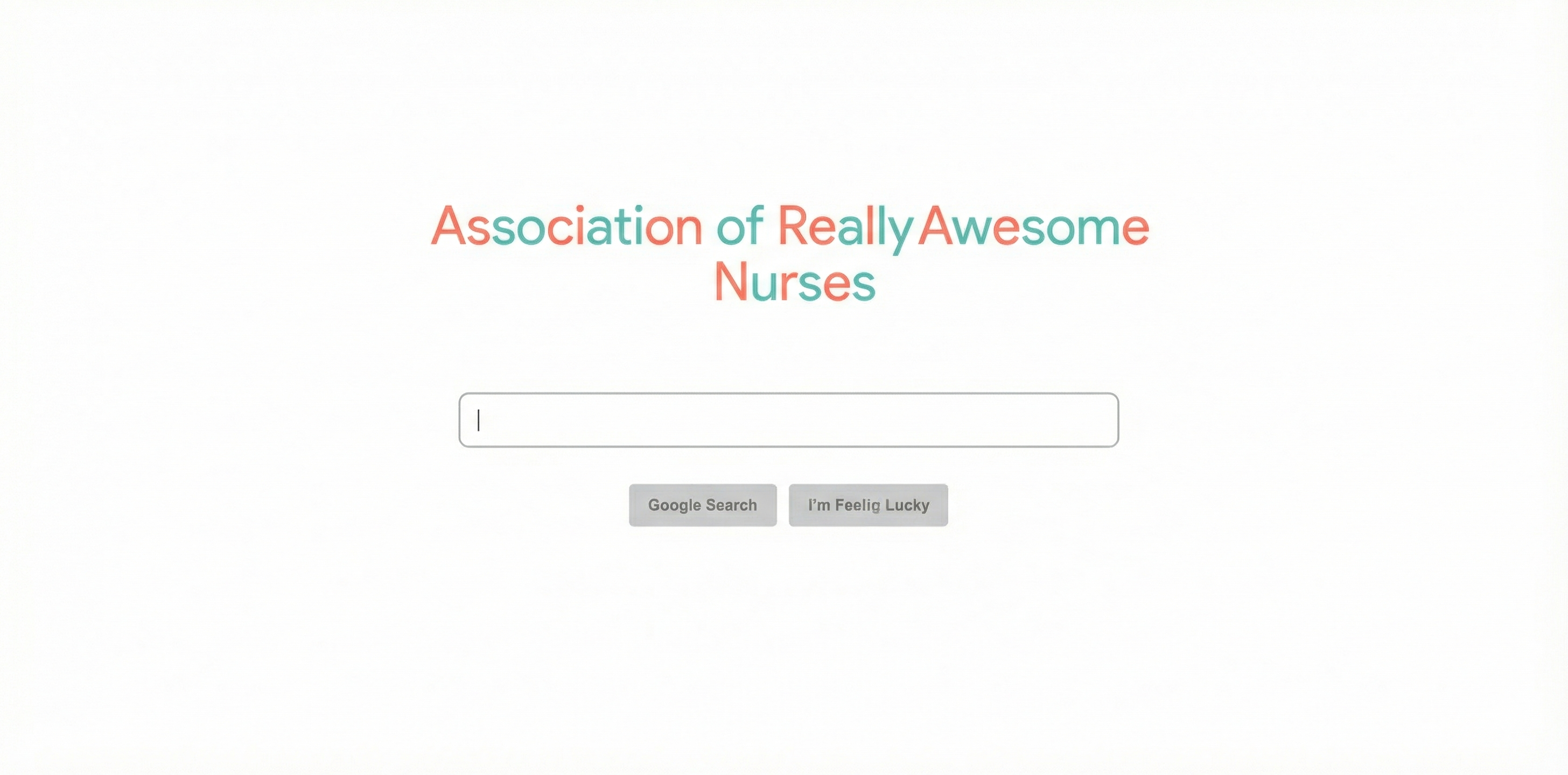
Microsoft. Google. Salesforce. Adobe.

And somewhere in that list? Your association.

That sounds absurd at first. You're a membership organization, not a tech giant. You don't have engineering teams or ship products or file software patents. You serve a profession or an industry, not a user base.

But think about what your members actually interact with. The portal where they renew their membership. The system where they register for events. The application process for your certification program. The dashboard where they track continuing education credits. The website where they access resources and find each other.

All of that is software. Software your organization builds, maintains, and relies on to deliver value. Every organization that creates custom digital experiences to serve its audience is, functionally, a software company. Associations fit that definition whether they claim the title or not.

This framing used to be a stretch because software was expensive and hard to build. That's changed. AI-powered coding tools have rewritten the economics entirely. What once required six figures and six months can now happen in weeks with a fraction of the resources.

Associations that recognize themselves as software companies—and act accordingly—will create dramatically better member experiences than those still treating custom development as someone else's job.

Where the Money Actually Goes

Here's a pattern that plays out in association after association.

A major technology project kicks off. Maybe it's a new association management system, a learning platform, or a website overhaul. The budget is set, the timeline is mapped, and work begins.

Maybe eighty to ninety percent of the time and money goes toward the internal implementation. Getting the system configured for staff. Training the team. Migrating data. Setting up workflows. Making sure the back-end operations run smoothly.

Then there's a mad rush at the end with whatever time and dollars remain to build out the member-facing piece. The website. The portal. The actual experience your members have when they interact with your organization. Every single time, something gets cut. Features are descoped. The member experience ships as a scaled-back version of what was originally envisioned.

The result? Staff systems get the investment. Member experiences get the scraps.

That application portal you built six years ago with a custom web developer? It still works, technically, but the experience isn't great. The event registration flow that frustrates attendees every year? It's been on the list to fix, but there's never been budget. The credentialing system that members complain about? Same story.

These are the touchpoints your members actually interact with. They're often the most neglected parts of your technology stack.

From Scarcity to Abundance

This pattern made sense when software was genuinely scarce.

Building custom applications used to require specialized talent that was hard to find and expensive to hire. Projects took months or years. Budgets ran into six figures before you had anything to show for it. Most associations couldn't justify that investment except for major, mission-critical initiatives. So they made do with off-the-shelf solutions that didn't quite fit, or they lived with clunky legacy systems because replacing them wasn't realistic.

That world is disappearing.

AI coding tools have collapsed the cost and time required to build software. Tools like Claude Code, Cursor, Windsurf, and Google's new Antigravity environment allow people to build functional applications in hours that would have taken professional developers weeks. 

People with limited coding backgrounds are building working web applications, automating complex workflows, and creating custom tools that would have been completely out of reach two years ago.

The constraint isn't money or time anymore. It's imagination and willingness to try.

You Don't Have to Be a Developer

There's a question worth asking at your next staff meeting or board retreat: Raise your hand if you have the skill level to go out and create a web application from scratch.

Most people wouldn't raise their hands. Historically, that made sense. Software development was a specialized skill that took years to learn.

But if you asked that question today, everyone should raise their hands. Not because they've suddenly become programmers, but because the tools now make it possible for people without traditional development backgrounds to build real things.

You don't need to write code from memory. You don't need to understand every technical detail. You need to be able to describe what you want, iterate on the results, and be willing to experiment. AI handles the translation from idea to working software.

This doesn't mean professional developers are obsolete. Complex systems still benefit from experienced architects. But the gap between "I have an idea" and "I have a working prototype" has shrunk dramatically.

The real requirement for associations isn't hiring a development team. It's having someone in your orbit—whether staff, contractor, or partner—who understands how to leverage these tools and can help you build things when opportunities arise.

What This Unlocks for Member Experience

If software is no longer scarce, then the member-facing pain points you've lived with for years deserve a second look.

That application portal built six years ago that feels dated and clunky? Rather than putting out an RFP and planning to spend six figures over 12 months, maybe you take a crack at it with AI-assisted development. Or you bring in someone who's skilled with these tools and see what's possible in a few weeks.

The custom experiences that differentiate your association from others serving the same profession? Those become achievable. Personalized member dashboards. Streamlined credentialing workflows. Event registration tailored to your specific needs rather than forced into a generic platform's constraints. Tools that solve problems unique to your members that no off-the-shelf vendor will ever address.

The connective tissue matters here. Most associations have pillar systems—an AMS, a financial system, maybe a learning management platform. Those systems are complicated, mission-critical, and not necessarily in need of replacement. But the software that connects those systems to your members? That's where the opportunity lives. That's what members actually touch. And that's what has historically been underfunded because custom development was too expensive.

The economics have flipped. What was a luxury is now accessible.

The Action Step

Every association, regardless of size, should have someone in their contacts who can help them build things with AI-assisted development. This could be a staff member who's invested time in learning these tools. It could be a contractor you call when opportunities arise. It could be a partner organization that offers this capability.

When you identify a member experience problem worth solving, you want to be able to act on it—not spend months figuring out who could help.

Start small. Pick one member-facing pain point that's been lingering because the fix seemed too expensive or complicated. Explore what's possible with current tools before committing to a major initiative. You might be surprised how quickly something functional comes together.

The mindset shift is the hard part. Associations have spent decades thinking of custom software as outside their wheelhouse—something to outsource to vendors or avoid entirely. That thinking made sense in a world of scarcity. It doesn't make sense anymore.

The Title You Didn't Ask For

You didn't set out to run a software company. You set out to serve a profession, an industry, a community. The mission hasn't changed.

But the tools available to pursue that mission have changed dramatically. The organizations that recognize this—that accept the software company label and act accordingly—will build member experiences that others can't match.

You are a software company. Time to act like one.


Mallory Mejias
Post by Mallory Mejias
December 9, 2025
Mallory Mejias is passionate about creating opportunities for association professionals to learn, grow, and better serve their members using artificial intelligence. She enjoys blending creativity and innovation to produce fresh, meaningful content for the association space. Mallory co-hosts and produces the Sidecar Sync podcast, where she delves into the latest trends in AI and technology, translating them into actionable insights.