Summary:

In this solo episode, Mallory Mejias takes the reins to unveil what digitalNow 2025 reveals about the current state of AI in associations—spoiler alert: we're officially in the "AI adolescence" phase. From cultural adoption to trust-building, she unpacks the four key insights her analysis surfaced from the event’s full schedule. But that’s not all—Mallory goes off-script to live-build a conference session recommender app on air, showing how even non-technical folks can leverage AI for rapid, practical innovation. Whether you're attending digitalNow or just AI-curious, this episode is packed with strategic takeaways and an extra dose of hands-on fun.
Timestamps:

00:00 - Intro to digitalNow 2025 & Mallory’s Solo Ride
04:50 - AI Is Growing Up and So Are Associations
07:21 - Insight #1: Moving Past Pilots into Real AI Implementation
10:43 - Insight #2: Culture Eats Tools for Breakfast
15:10 - Insight #3: Trust Is the New Value Proposition
19:44 - Insight #4: What Dolphin Talk & Mindfulness Teach Us About AI
23:43 - Building a Live AI Session Recommender App
25:33 - Claude Builds an App (With a Few UI Bumps Along the Way)
39:52 - Wrapping Up and What to Expect at digitalNow


👥Provide comprehensive AI education for your team

https://learn.sidecar.ai/teams

📅 Find out more digitalNow 2025 and register now:

https://digitalnow.sidecar.ai/

🤖 Join the AI Mastermind:

https://sidecar.ai/association-ai-mas...

🔎 Check out Sidecar's AI Learning Hub and get your Association AI Professional (AAiP) certification:

https://learn.sidecar.ai/

📕 Download ‘Ascend 3rd Edition: Unlocking the Power of AI for Associations’ for FREE

https://sidecar.ai/ai

🛠 AI Tools and Resources Mentioned in This Episode:

Claude ➔ https://claude.ai

Groq ➔ https://groq.com

ChatGPT ➔ https://chat.openai.com

digitalNow Conference Companion App (Bottom of Page) ➔ https://sidecar.ai/events

👍 Please Like & Subscribe!

https://www.linkedin.com/company/sidecar-global

https://twitter.com/sidecarglobal

https://www.youtube.com/@SidecarSync

Follow Sidecar on LinkedIn

⚙️ Other Resources from Sidecar: 

More about Your Hosts:

Amith Nagarajan is the Chairman of Blue Cypress 🔗 https://BlueCypress.io, a family of purpose-driven companies and proud practitioners of Conscious Capitalism. The Blue Cypress companies focus on helping associations, non-profits, and other purpose-driven organizations achieve long-term success. Amith is also an active early-stage investor in B2B SaaS companies. He’s had the good fortune of nearly three decades of success as an entrepreneur and enjoys helping others in their journey.

📣 Follow Amith on LinkedIn:
https://linkedin.com/amithnagarajan

Mallory Mejias is passionate about creating opportunities for association professionals to learn, grow, and better serve their members using artificial intelligence. She enjoys blending creativity and innovation to produce fresh, meaningful content for the association space.

📣 Follow Mallory on Linkedin:
https://linkedin.com/mallorymejias

Read the Transcript

🤖 Please note this transcript was generated using (you guessed it) AI, so please excuse any errors 🤖

[00:00:00] Amith: Welcome to the Sidecar Sync Podcast, your home for all things innovation, artificial intelligence, and associations.

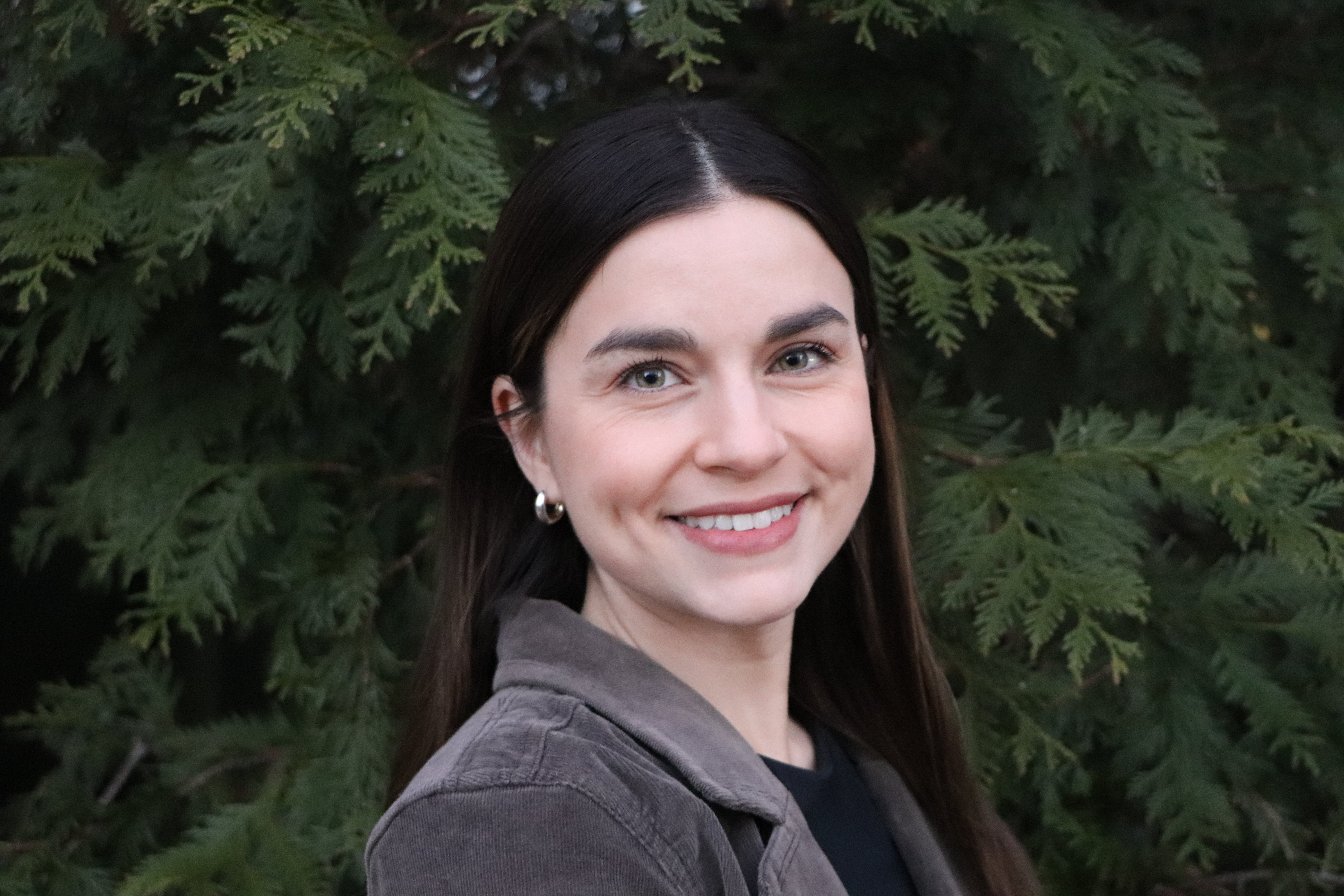
[00:00:14] Mallory: Hello everyone and welcome to the Sidecar Sync Podcast. My name is Mallory Mejias nd I'm one of your hosts along with Amith Nagarajan and today. I'm flying solo for a special episode because we've got some big news here at Sidecar. If you've listened to the podcast before, you've definitely heard us talk about digitalNow 2025.

[00:00:36] But we do have a growing listener base, so maybe this is your first time, if you're not familiar. digitalNow is Sidecars annual flagship event. We host it every year. It's a technology conference that brings together hundreds of association leaders at every level level to talk about the most. Innovative tech out there and what it can do for associations.[00:01:00]

[00:01:00] We typically bring in keynote speakers from all over the place, so not just within the association market. In fact, pretty much all outside of it. We've got some incredible keynote speakers lined up. Some of those I'm gonna tell you about in just a moment. And. The event is next week. Like I said, it's November 2nd through the fifth in Chicago, Illinois, and so we thought it would be nice to use this episode the week before as kind of a teaser into what the event will be.

[00:01:30] Now, I know not all of you can attend digitalNow this year, so I do wanna let you know that we'll be putting the keynote sessions. In our AI Learning Hub, probably a few weeks after the event, if that's something of interest to you. But just a note that will only be keynote sessions. If you're in the Chicago area or nearby and you wanna attend, you can still register.

[00:01:51] Right now listening to this episode, I will put the link to register in the show notes. So for today's teaser episode. [00:02:00] I want it to be a little bit creative instead of just listing out the sessions or kind of generally talking about digital. Now, I actually use my good old friend, AI Claude to analyze the entire schedule at Digital now and dig into what the conference is really telling us about where associations are with artificial intelligence in this moment.

[00:02:20] Here's what I found along with Claude digitalNow, 2025 is in the. AI adolescence phase. So let me explain what I mean by that. According to Claude, we are getting past kind of that wonder and experimentation phase. That was more AI childhood, where we were playing with chat g bbc. We were testing out ideas that came about.

[00:02:43] But we haven't reached maturity yet for sure. So that would be more like seamless AI integration, proven, ROI across your organization and full cultural adoption. I think AI maturity will be the point where we. Don't even talk about AI anymore, [00:03:00] like amme often says, because it's just so ingrained in everything we do, we don't need to talk about it.

[00:03:06] We at this moment in time are in kind of that awkward middle, the AI adolescence phase, maybe the AI teenager phase. Maybe we have some excitement about what's to come. Maybe we have some angst and frustration about ideas that we have that we wanna implement, but we just can't quite. Get there. So AI adolescence, that's what Claude is calling Digital Now 2025.

[00:03:30] In today's episode, I want to dig into kind of the four highlights, the four key insights from digital now this year based on the schedule and that AI analysis. And then I'm gonna do something a little bit crazy after that. Uh, looking at the schedule and how many great sessions we have, I realized that even for me.

[00:03:50] It can be tough to figure out which sessions I would like to attend based on my interest, which I would attend them all if I can. But we do have some concurrent breakouts, so you do have to [00:04:00] choose. So I said, what better way to solve that problem and hopefully help some of you solve that problem who we're attending, than to build a conference companion app that recommends sessions based on certain questions that you answer.

[00:04:14] My plan, we'll see how it goes, is to build that app with all of you. Live in the second part of this episode. If you all have listened to the podcast before and Amme has often said it, you know that I like routine and order and predictability. So I'm, you know, a little bit nervous about doing this real time on the pod, but fingers crossed.

[00:04:34] As a note, I'm non-technical, so I will be building this app with Claude and then hopefully sharing it all with you after the fact. Uh, if it works. Even if it doesn't work right, it's still a good learning experiment for our AI adolescence phase. So without further ado, let's dig in. Now before we dive into those four major insights from digital now 2025, I wanna start off with the big picture finding from that [00:05:00] AI analysis that I did with Claude.

[00:05:02] So I fed it the entire digital now schedule, and then asked it to analyze themes and patterns. And here is the, the big picture finding that jumped out to me. This isn't an intro to AI conference anymore. The word tools appeared eight times. Trust came up six times. Culture four times. But you know what's almost completely absent is Sessions titled.

[00:05:24] What is Chat pt or Introduction to AI for associations? It seems our audience has moved on. We're looking at more advanced applications. Here's another really telling signal I counted eight sessions that are explicit implementation studies. These are practitioners from association saying, here's what we actually did.

[00:05:47] I'm gonna highlight just a few of those. We've got the Independent Community Bankers Association talking about applying e-commerce testing methods to member experience and rebuilding five websites. We've got the Northern Virginia [00:06:00] Association of Realtors sharing how they transformed their content architecture to be AI ready.

[00:06:05] The American Academy of Pediatrics on building an AI experience and the American Geophysical Union, walking through 18 months of actual AI deployments and business outcomes. In terms of my own reflections on this, I've gotta say I'm not surprised. So you all have probably heard me talk about working on the third edition of our ascend book, unlocking the Power of AI for Associations, along with Amee and CEO of Blue Cypress, Johanne Snyder.

[00:06:34] And interestingly enough. Even though I have not been actively a part of the Digital Now session planning this year, I have found the same big picture findings in the third edition of Ascend and in Digital now 2025. That associations are starting to drift out of that beginner phase with artificial intelligence, and we are seeing associations make moves and make actual [00:07:00] impact on their members and within their business.

[00:07:03] We're also seeing associations really prize AI education for their staff. Uh, it has been. Really so impressive to see and so exciting. So I would say overall, I'm not so surprised by this big picture finding, but it makes me quite excited for what's to come at the event this year. Now moving into the four major insights from our AI analysis of the Digital Now 2025, schedule insight number one, beyond pilots is the dominant narrative.

[00:07:34] The conference isn't asking, should we try ai? It's asking how do we actually make AI work at scale? So we're gonna start with this. John Husman. He is COO of Blue Cypress. He's also been on this podcast before. If you wanna go check out that episode, he has a session literally called From Pilots to Performance.

[00:07:54] The full description asks after the pilots and proof of concepts, what separates [00:08:00] organizations that achieve tangible AI enabled outcomes from those still searching for their first win. Well, that title alone tells you everything about where we are at Digital now, 2025. Then you layer in some practitioner sessions.

[00:08:15] The American Academy of Pediatrics has a session titled AI With Purpose Solutions for Member Experience. Essentially, they've set out to move beyond the AI hype and build something that delivers real value. And then we've got a GU, the American Geophysical Union, bad Lori, who's their SVP of Digital and Technology is presenting, deploying AI and NLP for business impact.

[00:08:40] He's walking through the last 18 months of deployments and focusing specifically on business outcomes and impact. This is one I'm particularly excited about because we do have a couple of those use cases in the third edition of Ascend that I'm already familiar with. So I think this is gonna be an excellent session for you all to check out if you're there.

[00:08:59] And [00:09:00] here's something else that's interesting. It's not just use the tools and you'll get results. There's real technical depth as well about the foundations that you need in order to make these implementations work. We've got Ian Andrews from Grok. He's their CRO. Ian Andrews has also been on the podcast and he is talking about inference technologies, basically how we run AI models, energy efficient AI architectures and emerging regulatory frameworks.

[00:09:27] This is infrastructure level thinking. And then Northern Virginia Association of Realtors has a session on building the AI Ready Content Foundation. Their senior Director of Digital Strategy and operations is presenting with a technical team on how they structured taxonomy metadata and ingestion pipelines so that AI can actually understand their content and turn it into something useful.

[00:09:52] To me, the message on this insight is clear. Associations are realizing you can't just slap chat GBT on your website [00:10:00] and call it AI transformation. You need proper foundations, your data architecture, your content structure, understanding what's happening under the hood. I, I'm in again, total agreement with this insight.

[00:10:14] It reminds me actually of episode 10 of the Side Course Inc. Podcast. If you all have been listening since episode 10 or episode one, shout out to you. But just to remind you, on that episode, Amit and I talked about the learn experiment, build framework, and to me, digital now is essentially saying we've learned, we've experimented a bit.

[00:10:36] Now how do we build? And more importantly. What infrastructure do we need to build it? Right? The second insight that Claude and I found in our AI analysis of Digital now 2025, was culture over tools. I didn't expect culture to be such a dominant theme, but it's everywhere. Let's start with a keynote, Connor Grin.

[00:10:58] He's Chief AI [00:11:00] architect at NYU Stern School of Business. Has an entire keynote about this, and if you guys are noticing a pattern, he is also been on the pod with his son Finn. The description of that session says, every leader is wrestling with AI adoption, not just which tools to use, but how to build cultures of trust, judgment, and critical thinking that make adoption succeed.

[00:11:22] He says it explicitly, culture, not tools, determine success. And then I love this. He's actually bringing his son Finn on stage. Finn is a high school junior and an AI enthusiast. Through and through together, they're exploring this question, how do we create a generation of critical thinkers in an AI driven world?

[00:11:43] It's literally embodying the intergenerational conversation about AI right there on the stage. Then there's a whole panel called Beyond the Bot Building Innovation Cultures. It's moderated by Carlos Cardenas from Delco, and the panelists are from [00:12:00] A-A-C-S-B, the American Association of Nurse Anesthesiology, and MDRT.

[00:12:05] These people aren't talking theory. They are sharing how they actually created environments where innovation thrives. Things like shark tank style contests, structured evaluation frameworks, what they call safe to try environments, real cultural practices that drive adoption. There's another great session called AI Conversations That Matter from someone at the Morton Arboreum.

[00:12:30] She's presenting on their AI Explorers program, which is all about creating judgment free collaborative spaces for staff to learn and experiment with ai. The whole premise is if you demystify the technology and create safe spaces to explore the non-technical people start to see themselves as valuable contributors to technology strategy.

[00:12:51] That is culture change. And then we've got kind of another thing sprinkled in there that's so different, but really important. [00:13:00] And that is the dimension around age and generations. Brian Kelly, we've had on the pod before, he's a UX and content strategy leader and he has a session on the convergence of AI in the longevity economy.

[00:13:14] The setup is one in three Americans will soon be over 50. One in three Americans will soon be over 50. We're entering what experts call the Super Age and associations need to serve both older professionals and the generation entering the workforce. That is a massive spectrum for AI adoption. Digital now 2025 is full of sessions.

[00:13:38] Answering the question, how do we cultivate and how do we do it across all our stakeholders, regardless of age, regardless of technical background, regardless of where they are in their comfort with technology. My reflections here are that I'm excited to see culture as such a dominant part of the agenda.

[00:13:59] I was thinking of this [00:14:00] example of, let's say, within your association today, tomorrow, Sam Altman, CEO of Open ai, Dario Ade walks into your office and, uh, attempts to do a complete AI overhaul. You can really think about that. What would that look like? I don't know. What would it look like if they came into sidecar?

[00:14:18] Do you think it would succeed? Maybe yes, maybe no. Maybe, maybe. I would think though, that it's more than just about the technology. Like if Sam Altman walked into your association and you don't have a culture that supports. Innovation that supports technology, that supports safe to try environments, that it would be pretty tough for Sam Malman to, to AI enable your association.

[00:14:46] I think building an innovative culture is not a finish line that we have to get to. It's more of an ongoing practice. It's in the little things, uh, our weekly meetings, the teams or the Slack [00:15:00] channel where you share your wins or even your fails when you're trying out something new. And so I'm thrilled to see this be such a dominant part of the agenda of this year's conference.

[00:15:11] The third insight from digital now 2025, is the trust crisis is real. If there's one existential question underlying the entire conference, is this, are associations still relevant or are members just going directly to chat BT when they need something? Marcus Sheridan, he wrote the USA Today Bestseller.

[00:15:32] Endless Customers is doing the opening keynote and it's fundamentally about trust. The entire talk is becoming the undisputed voice of trust in your space. In an era where attention is scarce, patience is thin, and trust is everything he's asking. The hard question. How do associations evolve to match the expectations of today's radically informed self-educating impatient audience?[00:16:00]

[00:16:00] Because here's the thing, we all know this. Your members can Google anything. They can ask Chat, GPT, anything. They can find influencers on YouTube teaching them about their profession. So why would they come to you? There are multiple sessions picking up this thread. There's one called What Your Members Wish You Knew, rethinking Tech to build trust, spark belonging, and Drive Growth with folks from Forge and the American Association of Nurse Anesthesiology.

[00:16:27] The Longevity Economy Session with Brian Kelly that we just talked about is also explicitly about trust. How do you create member experiences grounded in clarity and trust and respect, especially for older adults who might be a bit more skeptical of artificial intelligence. We have talked about this so much on the podcast.

[00:16:45] I actually did a quick AI analysis of all the previous episodes to see if we could connect some dots. In episode 28, Amee talked about the risk of associations being episodic in nature. So meaning that people [00:17:00] really would only interact with you when they need contemp contending education credits, or to renew their membership, rather than being more of that ongoing daily relevant organization in your members' professional lives.

[00:17:12] In episode 46, we explored this existential question, why would members come to you when chat UBT gives them good enough answers? Instantly, even if our content is technically better or your content is technically better, good enough, and free and instant, that's a powerful value proposition. In episode 65, we talked about how AI is starting to commoditize not just information, but knowledge itself.

[00:17:39] The ability to solve problems, develop strategies, apply information to real situations. That's been your competitive advantage as associations. And then, ugh, this is truly one of my favorite recent episodes we've done in episode 99 with Jackson Boyer. We talked about influencers in every profession, building their own audiences and communities.[00:18:00]

[00:18:00] They're in direct competition with associations for member attention and loyalty. So all this sounds a little bit alarmist, but Marcus Sheridan's opening keynote is addressing all of this head on. The question is, how do you become the trusted voice in your space, not just a voice among many. My reflections on this, as I said, episode 99 is really an episode, I think about all the time.

[00:18:29] It keeps me up at night, if you will. I think we're inundated with information all the time in our emails, phones on the radio, if you still listen to that. And podcasts on social media. It's just constant, constant floods of information. And so why would someone continue to jump through hoops, fill out forms to take your course when they can listen to a podcast?

[00:18:55] That's pretty good. Maybe not better. Maybe good enough with [00:19:00] someone that they feel like they personally know. I just feel like there's huge opportunity in the space of, of building influence and distribution for associations that will help your competitive moat last into the future. But it's also a huge source of competition.

[00:19:17] And so I am thrilled that we are touching on this idea of trust in the AI age. I don't think. I'm sure many of you would agree with this. I don't think what's worked in the past for associations is going to continue to work, and so I'm thrilled that we are going to explore ways for associations to evolve their offerings, their services, but most importantly, the value that you provide your members and doing that through trust.

[00:19:45] The last insight I wanna share from our AI analysis of the schedule is that the wild cards tell a story. Not everything at digital now fits neatly into AI implementation, best practices for associations, and honestly, I [00:20:00] think that's cool. That's one of my favorite parts about digital now. It shows depth and curiosity, and also there's a lot to learn from things that might seem.

[00:20:10] Incredibly dissimilar to us or to our organizations. I wanna give you three examples from this year's schedule. First, there's Dr. Denise Herzing, recently selected to the time AI 100, presenting on using AI to study dolphin communication. You heard that dolphin communication, she is looking for language patterns and complexity and dolphin sounds using machine learning.

[00:20:33] She mentions in her keynote using tools like video sound, AI interfaces, and something called Dolphin Gemma, which is a collaboration with Georgia Tech and Google DeepMind. That is some bold programming. It shows that, look, AI isn't just about operational efficiency or member services. It's about expanding what's possible in research and understanding.

[00:20:57] Then we have Dr. Parham Deia [00:21:00] doing an interactive session on mindfulness and ai. The premise is, in a world moving at breakneck speed, our best work doesn't come from running harder. It comes from knowing the power of taking a pause to be present. I love that he's exploring how mindfulness can sharpen focus, boost performance, and turn AI from a passive tool into a powerful partner.

[00:21:24] The human element isn't just about change management, it's about how we show up, how we think, and how we pay attention. Dr. Didia will be joining us on the main stage a second time, and he'll be with, uh, Thomas Altman, who's also been on the podcast, who is, I say this all the time, but the first person who really ever showed me generative AI in action.

[00:21:46] So that holds a special place in my heart and in my mind, and they're gonna explore the parallels between the human brain. Artificial intelligence, looking at neuroplasticity bias, attention, and how these [00:22:00] shape both biological and artificial systems. I don't wanna put this out there yet. I think this might be one of my favorite sessions.

[00:22:08] That would be my prediction. At least they're all gonna be good, but man, talking about how we see technology mirror science, that is fascinating to me. So I'm really looking forward to this one. All of this signals to me that digital now is not just about ROI and productivity gains. There's a recognition that AI transformation is, can be and should be deeply human.

[00:22:33] It's about curiosity, consciousness, communication, how we understand ourselves and other intelligent beings. The technology is just the tool. The real work to me is understanding ourselves and how we engage with intelligence, artificial or otherwise. So those are our four big insights from our schedule analysis, and now we're moving into the part of the pod.

[00:22:57] You have all been waiting for Me too [00:23:00] anxiously, which is building our conference companion app. We've talked about moving beyond the pilots about culture being more important than tools about the trust crisis and about the deeper human questions underneath all of this. I've really been asking myself, how would someone navigate this?

[00:23:17] Now a lot of the sessions are, uh, main stage only, so you don't have as much to choose from there, but maybe you do, maybe you have a couple work calls that you need to take and you wanna make sure I'm in the main stage ballroom for x, y, and Z session. So how do you figure out which sessions matter for your specific role and challenges?

[00:23:37] So I wanna show you something. I'm going to build a tool real time, meaning I have not done it yet, so I don't know how this is gonna go. A session recommender, if you will, that helps people figure out your personal digital now schedule. I'm gonna do it live right here, showing you the actual process. I don't know exactly what questions to ask or how the tool should work.

[00:23:59] I [00:24:00] intentionally, I started the process yesterday of building the app to make sure it worked, and then I said, no, you know what? I think this is the stuff I should include on the pod. My questions, the prompting that I would go through to get something that I want in the end. Uh, ideally if everything works properly, I'm planning to share the tool on the digital now landing page, hopefully via an embed feature so you can actually use it.

[00:24:25] Um, hopefully it works. If not, I guess you won't see it there. But my plan is to get you something there so that you like me, can build out some, uh, personalized schedule options. So let me open up Claude, and we're gonna build this thing together. All right, so right now I am at ai. For those of you listening, audio only, I'm going to try to explain everything that I'm doing.

[00:24:52] I'm using Claude Sonnet 4.5, which I've been a big fan of recently, and I just pasted in. This prompt where I'm [00:25:00] basically just explaining what I'm trying to do. I want your help building an interactive session recommender tool for a conference digital. Now, uh, I wanna create a tool where people answer a few questions about their role, goals and challenges, and then get personalized session recommendations.

[00:25:16] I was not able to copy and paste in the whole schedule just because of how the site is set up. So I'm actually providing it with the link and then asking it first to please review the session titles, descriptions, and speakers. I'm going to make sure that web search is enabled, which it is, and now I'm gonna send it into the ether and we're gonna see what happens.

[00:25:40] Now you all know this is real time, so maybe this will take a minute. Might have to edit out some of the, the waiting that we're doing just for the sake of the pod. Right now it's fetching the schedule information. The reason I was pretty specific with review the session titles, descriptions, and speakers, because sometimes I find [00:26:00] that if the AI doesn't have full access to the link, it will say that it reviewed it, but will only have reviewed.

[00:26:08] Like just the titles from the page. So I wanna make sure that it actually has all of the information about what the sessions are about. Aha. Okay. And now, without me asking, it has gone into fully creating the app. That was not really what I was planning, but like I said, we're doing this live, so we're gonna see what it creates.

[00:26:28] I wanted to spend a little more time thinking through the questions we were going to ask people, but alas, let's see what it comes up with. I would say about, I don't know, maybe a minute, 45 seconds later, I have an app. In front of me, uh, it looks like tool features that it came up with. We've got seven smart, uh, questions.

[00:26:50] 16 sessions are mapped with intelligent tagging. I'm wondering why it only did 16 personalized recommendations showing the top eight most relevant sessions [00:27:00] based on answers, clean professional design with progress tracking and easy navigation and printable results. So let's, I'm gonna walk through the actual app preview that it's given me.

[00:27:11] First question is, what best describes your role? Let's say executive leadership. What is your primary goal for AI implementation? Let's say build AI culture and staff adoption is my answer. Where is your organization and its AI journey? I think that's a good question. Maybe we are in our piloting phase.

[00:27:30] What's our biggest challenge? I'm gonna say our biggest challenge right now is technical implementation and integration. What topics interest you most? Um, let's say personalization and member journeys. How do I prefer to learn real case studies and implementation stories? And when do you plan to implement AI solutions?

[00:27:52] I'm gonna say immediately we're ready to go. And then it generated some personalized sessions based on your responses. Here are the [00:28:00] top recommended sessions we've got, uh, beyond the Bot, which we talked about earlier, building innovation cultures. IBAs E-commerce inspired testing, building the AI Ready Content Foundation.

[00:28:11] Okay. And we have eight options, huh? I feel like the app seems a little bit basic to me. I also don't like that it, uh, what did it say? That it's mapped 16 sessions. I'm not sure why it wouldn't map all of them. Let's change up maybe some of the questions I'm gonna ask it to help me think through what questions to ask, what format this should take.

[00:28:34] How the input should look. I'm gonna tell it, do not revise the app until I say so. I wanna make sure we're both on the same page. And I'm also gonna say I want all sessions, Matt, not just 16. So I pressed enter and now we will wait and see what the response is. Okay. [00:29:00] It's generating some feedback for me.

[00:29:02] It came up with a question strategy. So some key dimensions that differentiate the sessions. I like that. What's your role? Where are you in your AI journey? Number one, challenge questions to consider. Organization size or budget constraints. I don't wanna get too much into the weeds with that. Format considerations, start conversational.

[00:29:24] Um, and then tiered recommendations is us attend. Okay. All sessions to map. Day two. Day three. Okay. Sorry, I'm just reading through all the output. Um, what are your thoughts on these three areas? Alright, let me give them a quick response then. My friend, Claude, I'm gonna say the questions you have are a good starting point.

[00:29:49] Let's not worry about budget or get too far into details. That kind of answers the question, strategy, format, [00:30:00] consideration, one at a time. Questions work for me. Well, I do wanna add a note though, like I just talked about in the fourth insight. Whoops, I already sent that. I talked about in the fourth insight how we do have some wild card sessions, so I would like to have maybe a question in there that.

[00:30:22] Doesn't seem related, but that will pick up on something that will point you to one of those wild card sessions. I don't know if that makes sense, but basically a question that's kind of a wild card question that the AI thinks will help personalize your schedule. I also wanna include wild card question that asks something they might think is random, but actually.

[00:30:52] Helps personalize their schedule better for some of the wild [00:31:00] card sessions. Okay, and then what other questions were they asking me for all sessions to map, I guess, how we recommend the sessions. I also think we should do tiered recommendations for these sessions at the end. Give me a concise overview of what the app will look like.

[00:31:28] Now, I'm saying this because I realized I provided a lot of information and it keeps giving me this lengthy feedback, but I just want like a concise, quick look at, okay, we're gonna do X, y, Z. This is the input, this is the output, to make sure that we are both aligned before we actually revise the app again.

[00:31:45] Okay, so now it's giving me the overview, nice and concise, which I like. The questions are going to be, what's your role? Where are you in your AI journey? What's your number one challenge? What's your primary goal? What type of content helps you most? How soon will you implement? [00:32:00] What topics, a specific topic area, interest you?

[00:32:02] And then the wild card question. Is okay, eh, it's still kind of obvious, but which unexpected topic sparks your curiosity. Marine biology, mindfulness and wellness. Demographics and aging populations. Philosophy and critical thinking format. We're gonna have one question at a time. Clean card-based ui.

[00:32:20] Output. We're gonna have tiered recommendations. Your must attend your top three, you're strongly recommended. And then you're also consider the actions in the app are gonna be a start over button and a print results button, and we have 22 sessions now mapped. I think that this matches the vision. Yes, this does.

[00:32:43] The only thing I'm thinking though is that I would like to make sure that it matches. Website because I felt like it's giving me kind of this generic blue that I'm not loving. So I'm now on the sidecar website. I just wanna go to the main Digital now page. [00:33:00] I don't know the color codes off the top of my head.

[00:33:03] I really should. So I'm gonna see if it can help me figure those out. Can you pull the color codes from our website and we'll see what happens. All right, so about a minute later it was unable to pull those colors. I'm really surprised. Um, let's see. Can you make a guess based on the colors you see now, everybody, if you were doing this, I would recommend you actually get your brand color codes, but I'm trying to speed up the process and show you how I might do it if I were lazy and in a hurry.

[00:33:41] So let's see. It's giving me some colors I don't really agree with. Well, I didn't think this would be the most difficult part. I'm actually going to give it a screenshot of this blue and [00:34:00] say, I want more of this blue and then a coral pink. I'm pasting in that screenshot. And now I'm thinking you should be able to get these color codes, huh?

[00:34:12] The app wasn't the hardest part. It was actually just making it the right colors. We got some better colors back. I'm gonna say the pink should be more pastel now. Using those colors and your concise overview of the app, please create a new version of the app. It's hard to talk and type a new version of the app.

[00:34:39] That feels modern and innovative and matches sidecars style, and we'll see what it creates. Okay, that took a minute. Maybe like two minutes, three minutes? I'm not sure. Lost track of time. [00:35:00] Now we have a new app. It looks pretty similar, but it said that they used our, uh, brand color. So we'll see. What best describes my role executive leadership.

[00:35:11] I'm just gonna make this edit right now. You can't see the next button text. Just because it's too light. Make sure the text on the buttons is readable. This will just be hopefully a quick fix. Okay, it looks like it did fix that issue, at least on the first page. Okay, so I'm selecting what describes your role?

[00:35:38] Uh, it's okay. It's once I click the option, once I click the answer for the question, I can no longer read the button text. Please fix. Okay. Let's see. As you all can probably tell, I'm a little bit of a [00:36:00] perfectionist. Nope, I'm still getting the same issue. I'm gonna just continue on. So that way this episode is not two hours long.

[00:36:06] Where's your organization and its AI journey. I'm gonna say we're in the planning phase. We're developing strategy and use cases. What's your biggest challenge? I'm gonna say technical implementation and integration. 'cause we hear that a lot. What's your primary goal for AI implementation? It's to enhance our member experience.

[00:36:25] Of course. Which topics interest me most? Culture and change management. How do I prefer to learn? Maybe more technical and hands-on. I'm switching up some of my answers just to see what we get. When do you plan to implement AI solutions immediately And which unexpected topic sparks your curiosity? Ooh, I know I'm really into mindfulness and wellness, so I'm gonna go with that one.

[00:36:52] Alright. And now we have a more tailored. Tiered approach for the output. I've got three [00:37:00] must attend sessions. Um, one of those is the Ian Andrews rock, one that we talked about. Uh, also the AI Ready Content Foundation one and the predictive modeling workshop. I guess 'cause I said more hands-on is the way I like to learn.

[00:37:15] I've got a couple strongly recommended and some, hey, also consider. I've got the mindfulness session, which I figured I would get, but also the, the Dolphin communications and AI and the um, Marcus share, oh no, the keynote panel on day one. So. This was an experiment, as you all will see, this little app, if you're joining us from YouTube, or if you wanna check it out on YouTube, is not the most beautiful thing I've ever seen.

[00:37:41] But why did I do it? Well, for a couple reasons. One, because I am non-technical and we always are, are harping on the pod that you've gotta go out and try this stuff. So I thought, I don't wanna be the, what is the saying? The cobbler that has no shoes. I, I should do this on the pot. Sure. I didn't know how it was gonna go.[00:38:00]

[00:38:00] We had some hiccups along the way and the button text is still. I'm really not vibing with the text if you see it on YouTube, but however, that is the way that experiments often go. It's not gonna work out perfectly. If it does go perfectly. Maybe you're not experimenting with something, uh, challenging enough for you and your skillset.

[00:38:18] So. This app, I will try to put on the the Digital Now website. Uh, I might make a couple more improvements after the pod is over and then put it on the Digital Now website. So check the podcast, show notes to see if it is there and if it's fully working. But I wanted to do this to encourage you all to do something similar, to show you that truly when we meet.

[00:38:42] The most non-technical person on your team can go out and build a little session recommender app or a personalized professional development tree. I really mean that. Like they can go do that right now at this very second when they stop listening to this podcast and. [00:39:00] Also just to, to get your brain working in that way, to realize that you have these capabilities at your fingertips to start playing with them and to figure out and iterate on ideas that maybe you've had for a long time within your association, regardless of your leadership level, but that you couldn't really act on.

[00:39:19] You can go and do that now. This isn't the most production ready little. Question, answer app we could come up with by any means, but it was something that we whipped up in altogether. I don't know how long it is just yet, but maybe 15 minutes or so if we edit out some of those breaks. So. With that. I hope you all have a good level of understanding of what we expect to happen at digital Now, 2025.

[00:39:46] I think in-person events are so incredibly special and there's an energy and an excitement that comes out of them that is just simply unmatched. So you all know this as association leaders, but I'm really [00:40:00] excited for it. I'll be there. Amis will be there. For those of you that. Can't attend. Check out those keynote sessions when we add them to the AI Learning Hub in a few weeks.

[00:40:09] Everyone, thank you for tuning in to this solo episode with me. I hope you've enjoyed it and we will see you all next week.

[00:40:18] Amith: Thanks for tuning into the Sidecar Sync Podcast. If you want to dive deeper into anything mentioned in this episode, please check out the links in our show notes. And if you're looking for more in depth AI education for you, your entire team, or your members, head to sidecar.ai.


Mallory Mejias
Post by Mallory Mejias
November 2, 2025
Mallory Mejias is passionate about creating opportunities for association professionals to learn, grow, and better serve their members using artificial intelligence. She enjoys blending creativity and innovation to produce fresh, meaningful content for the association space. Mallory co-hosts and produces the Sidecar Sync podcast, where she delves into the latest trends in AI and technology, translating them into actionable insights.